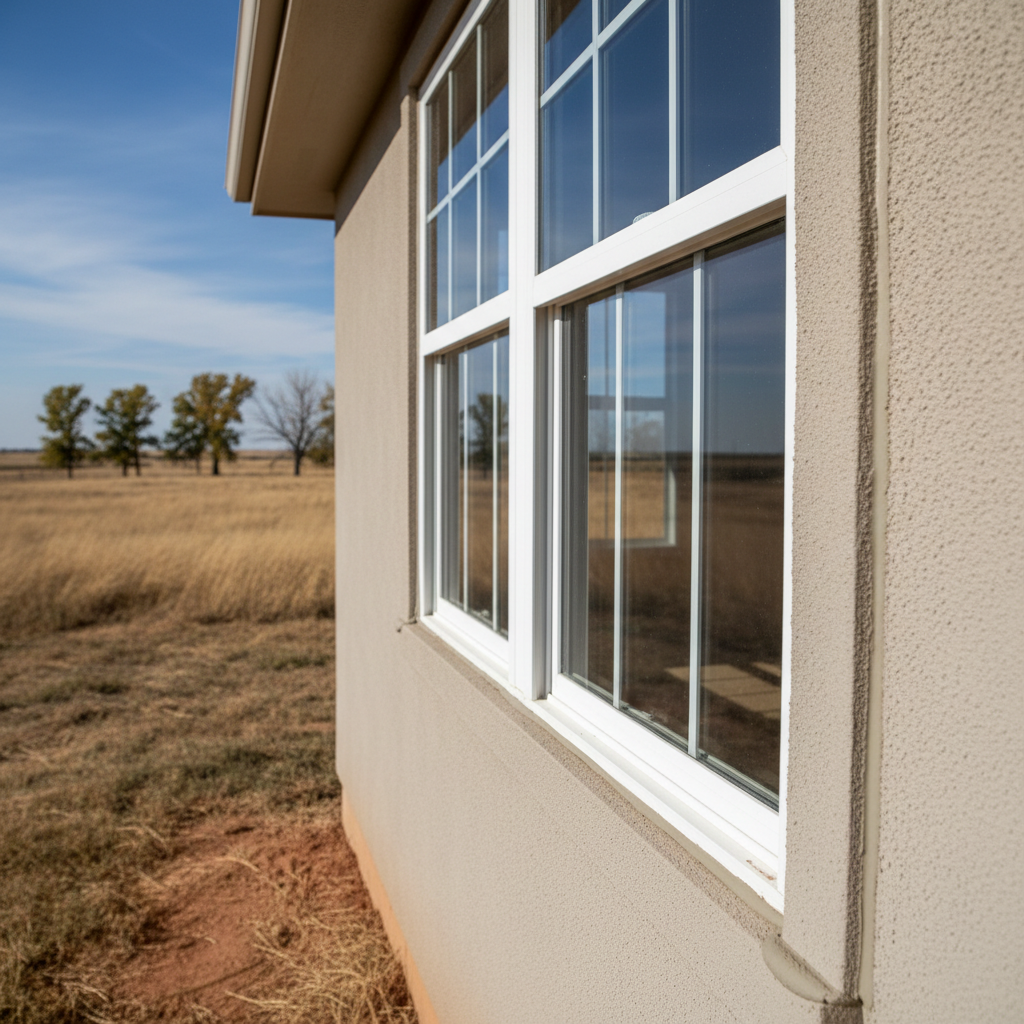
You'd think window caulking and sealing would be a straightforward job, wouldn't you? Just slap some caulk on, and boom, done. Well, I've seen enough botched jobs around Dodge City to tell you it's not always that simple. Homeowners often make a few key mistakes that end up costing them more time, money, and, frankly, a lot of frustration down the line. Let's talk about what to watch out for.
Mistake #1: Ignoring the Prep Work
This is probably the biggest one, hands down. People get all excited about sealing, grab a caulk gun, and just start squirting. But if you don't prep the surface correctly, that new caulk isn't going to stick. And it certainly won't last. You've got to clean the area thoroughly. I mean, really clean it. Get rid of all the old, cracked, peeling caulk first. Scrape it, cut it out, wire brush it if you need to. Then, wipe away any dirt, dust, or grease. A lot of folks skip this step, thinking the new caulk will just cover up the old mess. It won't. It'll just peel off with the old stuff, sometimes in a matter of months. And if you're dealing with a dusty, windy day out here in Dodge City, that dust can get right into your fresh caulk if you're not careful with your cleaning. It's a real pain.
Mistake #2: Using the Wrong Type of Caulk
Walk into any hardware store, and you'll see a dozen different tubes of caulk. Acrylic latex, silicone, polyurethane, butyl rubber, elastomeric... it's enough to make your head spin, honestly. And guess what? They're not all interchangeable. Using the wrong type is a surefire way to get a short-lived seal. For most exterior window applications, especially here where we get those big temperature swings, you want something flexible and durable. Silicone or a good quality elastomeric caulk is often your best bet for exterior windows because they can handle movement and UV exposure without cracking. Acrylic latex caulk might be cheaper, sure, but it's not going to hold up as well outside. It'll shrink and crack, letting in air and moisture. Don't cheap out on the material; it's a small cost for a big difference in performance.
Mistake #3: Applying Too Much (or Too Little)
I see this all the time. Some folks lay down a bead so thick it looks like a snake trying to eat the window frame. Others put down a bead so thin it barely covers the gap. Both are problems. Too much caulk creates a messy, unprofessional look, and it can actually sag or crack as it cures. Plus, it wastes material. Too little, and you haven't actually sealed anything. You need a consistent, even bead that completely fills the gap without overflowing. The goal is to create a watertight and airtight seal, not to re-sculpt your window frame. Practicing on a piece of scrap material first can really help you get the feel for it.
Mistake #4: Not Considering the Weather
This is a big one for us in Dodge City. You can't just caulk whenever you feel like it. Most caulks have specific temperature ranges for application and curing. Trying to caulk when it's too cold can make the caulk difficult to apply, and it might not cure properly, leading to poor adhesion and cracking. Same goes for extreme heat; some caulks can skin over too quickly, trapping solvents and preventing a proper cure. Always check the manufacturer's recommendations on the tube. And don't forget about rain or high humidity. You need a dry surface for proper adhesion. Trying to caulk just before a thunderstorm rolls through is asking for trouble.
Mistake #5: Not Hiring a Pro When You Should
Look, I'm all for DIY. If you're handy and it's a simple job, go for it. But sometimes, especially with older homes or complex window designs, it's just better to call in someone who knows what they're doing. Maybe you've got some serious rot around the window frame that needs addressing before any caulk goes on. Or perhaps you've got windows on the second story that are tough to reach safely. Sometimes, what looks like a simple caulk job is actually a symptom of a bigger issue, like a failing window installation. A good professional, like us at Charis Window Installation Inc., will not only use the right materials and techniques but also identify any underlying problems. We've seen homes in the older parts of town, like near Wright Park, where the original wood frames need a lot more than just a fresh bead of caulk to really seal things up right.
Think about it this way: a proper seal saves you money on your energy bills and protects your home from moisture damage. A bad seal? That's just a waste of time and money, and you'll be doing it again sooner than you think. So, take your time, do your homework, and if in doubt, give a local pro a call. It's an investment in your home's comfort and longevity.