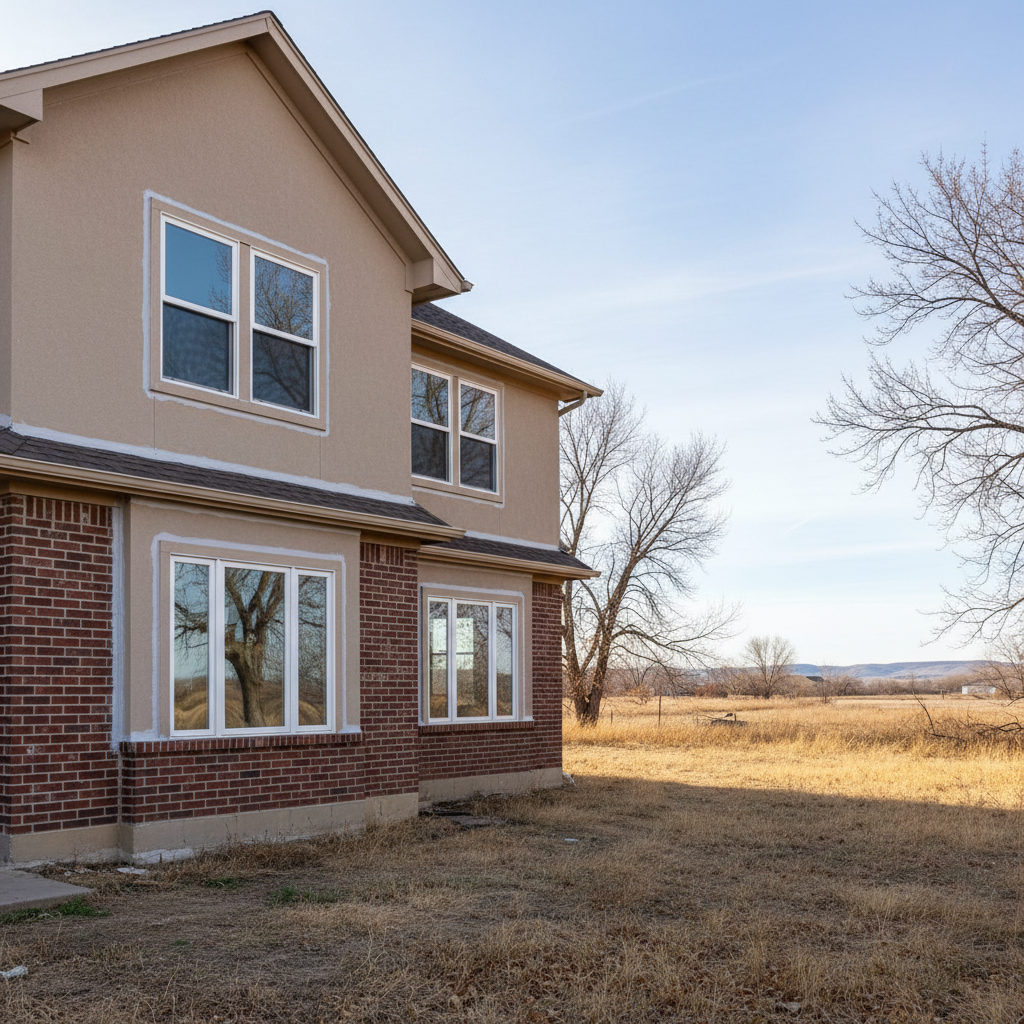
Your windows are a pretty big deal, really. Keeping them sealed up tight isn't just about protecting that investment; it's also key to keeping your home comfortable. Here in Dodge City, we understand extreme weather better than most, don't we? Those scorching, dry summers and brutal, windy winters really do a number on window caulking and seals. I've seen it firsthand on countless homes, from the older spots downtown to the newer builds out by the bypass.
Why Good Seals Matter So Much Here
It's not just about keeping the rain out, though that's definitely important. A good seal around your windows is actually your first line of defense against air leaks. In summer, those leaks let your expensive, conditioned air escape, and then that hot, humid air just creeps right in. In winter, it's the exact opposite – warm air out, freezing drafts in. You're basically paying to heat or cool the outside if your seals are shot. And with our consistent winds, especially during a typical spring, even tiny gaps can become major drafts, which is a pain.
When's the Best Time for Caulking and Sealing?
Timing is everything when it comes to exterior caulking. You can't just slap it on whenever, you know? The materials need specific conditions to cure properly and form a long-lasting bond. Generally, I tell folks the sweet spot for exterior work is late spring or early fall.
- Late Spring (April-May): Temperatures are usually pretty mild then, not too hot, not too cold. The humidity isn't through the roof yet, and we're past the worst of those freezing nights. This gives the caulk plenty of time to set before the intense summer heat hits.
- Early Fall (September-October): Just like spring, the temperatures are moderate. The summer sun isn't baking everything anymore, and we're not yet into the deep freezes. This allows the caulk to cure before it has to face winter's wrath.
What you really want to avoid is trying to caulk when it's super hot, super cold, or raining. Extreme temperatures can make the caulk difficult to apply smoothly, prevent it from adhering properly, or even cause it to crack as it cures. If it's too cold, it won't flow right and might not bond. Too hot, and it can skin over too fast or even bubble. Rain? Forget about it. Water and uncured caulk just don't mix.
What to Look For: Your Annual Seal Check-Up
You don't need to be a pro to spot failing caulk. Just take a walk around your house a couple of times a year, say, after the last frost in spring and before the first hard freeze in fall. Look closely at where the window frames meet the siding or brick. Here's what you're looking for:
- Cracks: Any visible cracks, big or small, mean the seal is broken.
- Gaps: Can you see light through a gap? That's definitely a problem.
- Shrinkage: Sometimes caulk just pulls away from the surface, leaving a thin gap.
- Deterioration: Is it crumbling, flaking, or just looking old and brittle?
Pay extra attention to windows on the west and south sides of your house. They take the brunt of the sun's UV rays and heat, which can break down caulk faster. I've seen homes in the Sunnyside addition where the south-facing windows need attention more frequently because of that relentless sun exposure.
Protecting Your Investment Year-Round
Once you've got good seals, you want to keep them that way. It's not a set-it-and-forget-it deal, especially with our climate. Regular inspection is your best friend. Catching a small crack early and fixing it is a lot easier and cheaper than dealing with a major air leak or, worse, water damage down the line.
When Charis Window Installation Inc. puts in new windows, we make sure those seals are tight and done right with quality materials. But even the best caulk has a lifespan. Most good quality exterior caulks will last 5-10 years, but that can be shortened by harsh weather. If you're seeing issues, don't put it off. A little maintenance goes a long way in keeping your home efficient and comfortable, no matter what Dodge City weather throws at us.