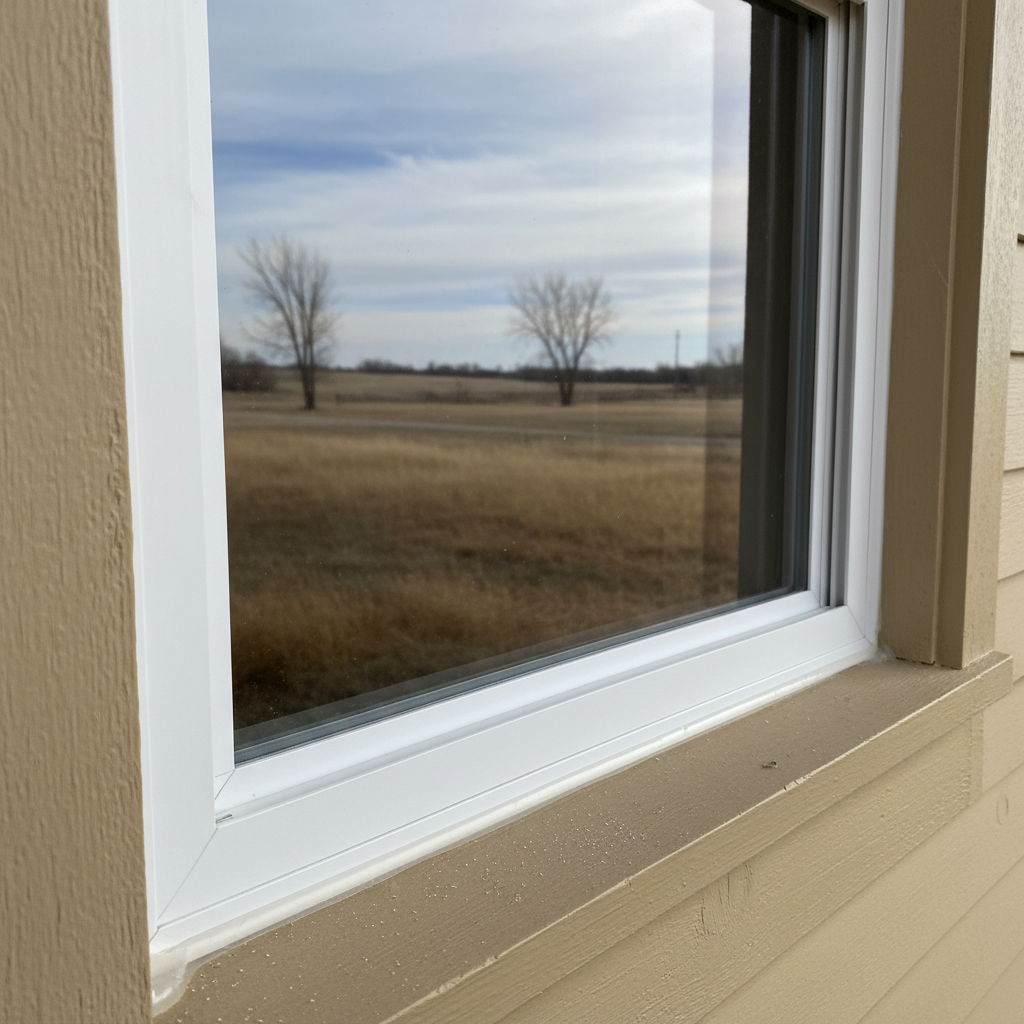
Alright, let's talk storm windows. I get a lot of questions about these, especially with our Kansas weather. Folks around Dodge City, whether you're out by the airport or closer to downtown, often wonder if they're worth the trouble. So, I've put together answers to the most common things I hear. No fluff, just what I've learned doing this work for years.
Do storm windows actually make a difference?
You bet they do. Here's the deal: most older homes in Dodge City, especially those built before the 80s, have single-pane windows. Those are terrible for insulation, frankly. A storm window creates an extra layer of air between your existing window and the outside. That trapped air is a fantastic insulator. It slows down heat transfer significantly. What does that mean for you? Less heat escaping in the winter, less heat getting in during the summer. You'll feel it in your comfort levels, and you'll definitely see it on your utility bills. It's not as good as a full window replacement with modern double-pane units, but it's a huge step up from single panes.
Are storm windows expensive to install?
Compared to replacing your entire windows, no, they're usually a lot more affordable. The cost varies based on the type of storm window you pick (interior, exterior, material), the size of your existing windows, and how many you need. Installation is usually quicker too, which helps keep labor costs down. I always tell people to think of it as a cost-effective upgrade. You get a lot of bang for your buck in terms of energy savings without the full investment of new windows. We can give you a clear quote once we see your place, but expect it to be a fraction of what a full replacement would run you.
What's the difference between interior and exterior storm windows?
Good question, and it's an important distinction. Exterior storm windows are what most people picture: they go on the outside of your existing window frame. They're typically aluminum or vinyl, and they're built to withstand the elements. They offer great protection from wind, rain, and even hail, which we know can be a problem around here. Interior storm windows, on the other hand, mount on the inside of your window frame. They're often made of acrylic or glass, and they're usually easier to install and remove yourself. The main benefit of interior storms is that they're protected from the weather, so they tend to last longer and stay clear. They also do a bit better at dampening sound. Both types improve insulation, but exterior ones give you that extra layer of weather protection for your primary window.
Can I install storm windows myself, or do I need a pro?
Look, some folks are handy, and if you're comfortable with basic tools and measuring accurately, you *can* install some types of storm windows yourself, especially the interior magnetic or compression-fit ones. The exterior ones, though, are a bit more involved. They need precise measurements and proper sealing to actually work well. If they're not installed right, you'll have air leaks, and you won't get the energy savings you're paying for. Plus, working on ladders, especially on older homes with potentially uneven siding or window frames, can be tricky and dangerous. My advice? If you're not 100% confident, call a professional. We've got the experience to get them installed right the first time, making sure they perform as they should. It really is worth it.
How do I maintain storm windows?
Maintenance is usually pretty straightforward. For exterior storm windows, you'll want to clean them periodically, just like your regular windows. Check the seals and caulk every few years to make sure there aren't any cracks or gaps that could let air or moisture in. If you've got screens built into them, give those a good cleaning too. Interior storm windows are even easier; they just need a wipe down now and then. The main thing is to make sure they're properly seated and sealed when they're in place. If you take them out for the summer, store them carefully so they don't get scratched or warped. A little care goes a long way in making them last.
Will storm windows block my view or make my house look bad?
That's a common concern, especially for folks who've put effort into their home's curb appeal. Modern storm windows are designed to be much less noticeable than the clunky old ones you might remember. Many exterior models have slim frames that blend in well with your existing windows. Interior storm windows, especially the clear acrylic ones, are practically invisible once installed. You can even get them with low-e coatings that improve energy efficiency without changing the look. So, no, they shouldn't block your view, and if chosen correctly, they won't detract from your home's appearance. In fact, by protecting your primary windows, they can actually help keep them looking good over time. Here at Charis Window Installation Inc, we make sure to help you pick options that work for your home's aesthetic.
Do storm windows help with noise reduction?
Absolutely. That extra layer of air created by a storm window isn't just good for thermal insulation; it's also a fantastic sound buffer. If you live on a busy street, or you're just tired of hearing every gust of wind that whips through Dodge City, storm windows can make a noticeable difference. They help quiet outside noises, making your home a calmer, more peaceful place. It's another one of those 'hidden' benefits that people really appreciate once they've had them installed.